
|By Gale Staff|
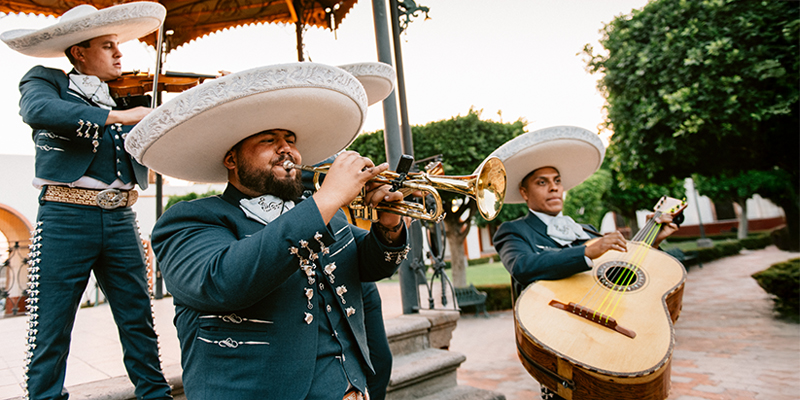
Emotional vocals, bright trumpets, expressive violins, and the booming bass of the guitarron define mariachi music—a genre that students have likely heard of, but may not understand. International Mariachi Week lands April 19–26, 2026, offering the perfect opportunity to explore this vibrant and heartfelt music style.
With Gale In Context: Biography, students can explore the stories of mariachi’s renowned performers, from the legendary band leaders of the 20th century to the pioneering all-women groups shaping modern mariachi today. Gale In Context’s adjustable font sizes, translation tools, and text-to-speech options make these biographies accessible to all learners. Vibrant visuals and in-platform video bring the music, culture, and people directly into your classroom.
Let the biographies of mariachi’s most beloved performers give students a glimpse into Mexican culture, history, and music—and mariachi’s influence on the world.
The History of Mariachi
Mariachi isn’t just music—it’s a powerful symbol of Mexican culture. It originated in Jalisco, Mexico, in the 19th century, born from Indigenous, African, and Spanish roots. Together, violins, trumpets, guitars, guitarrons, and vihuelas combine to create the distinctive and richly layered mariachi sound we know today. Mariachi songs tell a story, stirring the listeners’ emotions and carrying them through complex themes of love, patriotism, politics—even the mysteries of death.
In its early days, mariachi was popular at community gatherings, religious celebrations, and rural festivals. As it evolved, the genre expanded beyond its local roots, gaining a platform at major public celebrations, weddings, theater performances, and other festive events. By the mid-20th century, mariachi had begun to attract interest in the United States as well, popularized by film and radio. Today, the art form continues to evolve as it embraces more female performers and even all-female groups, including Mariachi Reyna de Los Angeles and Flor de Toloache.
Mariachi’s Most Famous Acts
With Gale In Context: Biography, students can research the lives of legendary mariachi musicians and uncover how their personal journey shaped their music. Discover biographies of the genre’s most famous acts, along with images, interviews, and audio recordings that bring their stories to life.
Mariachi los Camperos
Since 1961, Mariachi los Camperos has been a focal point of mariachi music in the United States. Founded by the visionary Mexican-American musician Nati Cano (1933–2014), the Los Angeles–based ensemble brought mariachi music to American audiences. Just eight years after the band formed, they made history as the first mariachi band to play in New York’s Carnegie Hall. Their success continued throughout the 1960s and 70s, but their popularity soared in the 80s after a hugely successful partnership with singer Linda Ronstadt.
Ronstadt asked Mariachi los Camperos to collaborate on her 1987 album, Canciones de Mi Padre, which to this day remains the one of the best-selling non-English language albums in U.S. history. Mariachi Los Camperos worked with Ronstadt on her follow-up album, Mas Canciones, in 1992. The band also toured with Ronstadt, introducing their music to millions of new fans.
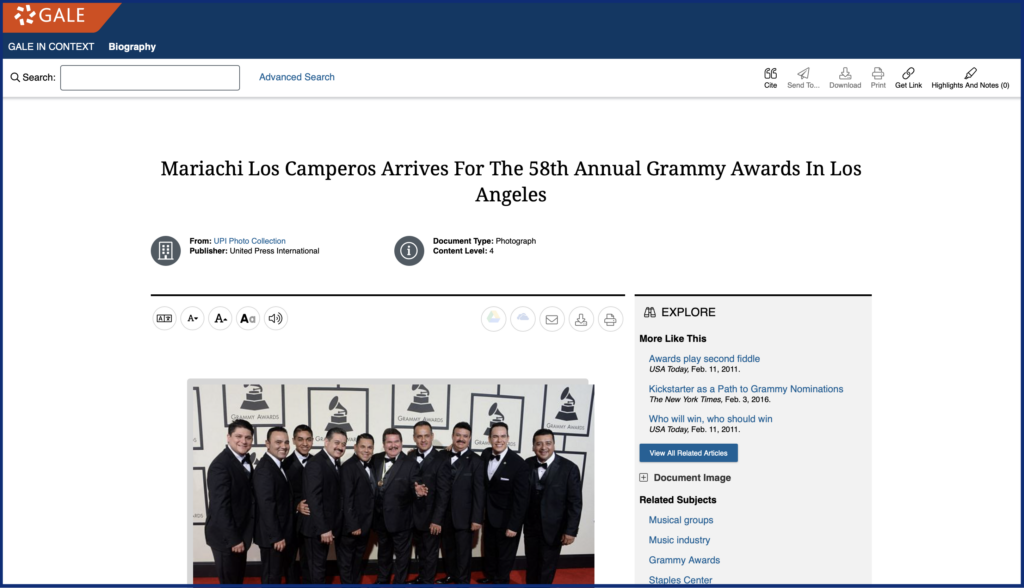
Mariachi los Camperos’ cultural reach even extends to the big screen. The band’s music has been featured in Jerry Maguire, The Lost World: Jurassic Park, and Sex in the City 2. Looking to inspire future generations, founder Nati Cano developed the Mariachi Master Apprentice Program in San Fernando, California, which provides vocal coaching, music theory education, and instrumental technique development to youth. Other members of the group, including Jesus Guzman and Sergio Alonso, have even served as instructors in the program.
Vicente Fernández Gómez
Known for his powerful voice and traditional charro style, Vicente Fernández Gómez (1940–2021) was a leading voice in mariachi music in the 1970s, 80s, and 90s. Mariachi ensembles worldwide performed his greatest hits, including “Volver, Volver.”Writer Daniel Chang described Gómez’s music as “the Mexico of old—a way of life romanticized by rural ranches, revolution, and philandering caballeros.”
Herb Alpert
Herb Alpert (b. 1935) is an American-born musician deeply shaped by mariachi music. His band, Herb Alpert and the Tijuana Brass—popular in the 1960s—showcased a unique style of music blending mariachi and Latin genres, featuring catchy, pop-infused, trumpet-driven tunes. The group sold tens of millions of albums, giving American audiences a glimpse into mariachi music. In 2004, the prolific Alpert released his fiftieth studio album, aptly titled 50.
Luis Miguel
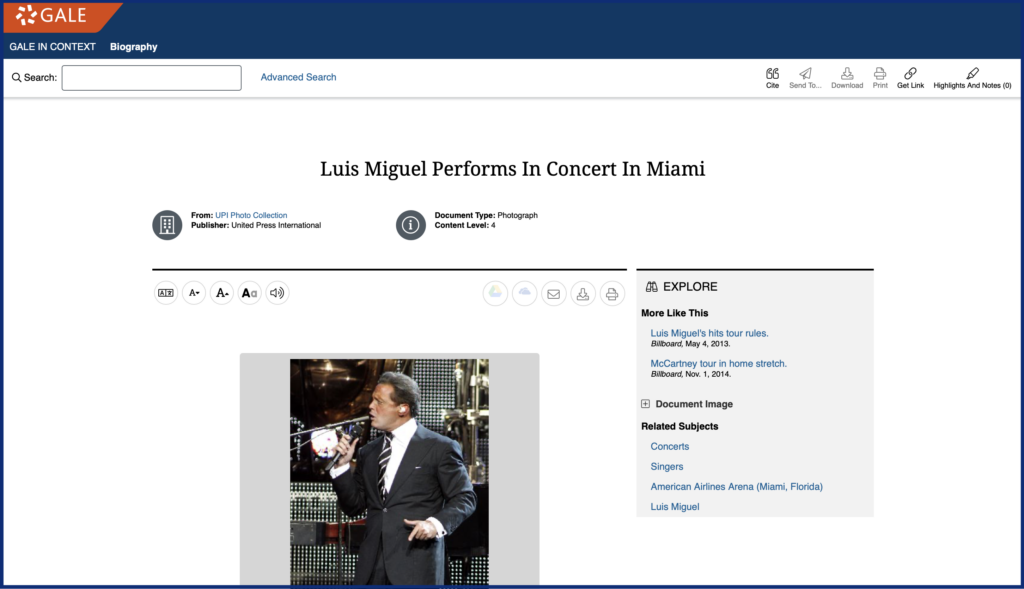
Born in Puerto Rico but raised in Mexico, Luis Miguel (b. 1970) was a teen pop music star. As his career progressed, however, he transitioned to a more traditional Mexican sound. His songs revitalized traditional mariachi music for modern audiences, with the release of several mariachi albums, including 2017’s Mexico Por Siempre. Miguel’s powerful vocals reflect the emotion and storytelling of mariachi music and his global tours have helped introduce mariachi to a broad audience across the U.S., Latin America, and Europe.
Some of today’s biggest artists have taken inspiration from traditional roots. Encourage your students to keep exploring with artists like Beyoncé and Bad Bunny, who have successfully crossed musical boundaries.
Mariachi Reyna de Los Angeles
Mariachi Reyna de Los Angeles is America’s first all-female mariachi band, founded by Jose Hernandez, the director of Mariachi Sol del Mexico, in 1994. The group’s success illustrated that women, too, have a place in this once male-dominated music style, with lyrics no longer written only from the male perspective. Unlike other mariachi groups, where the women were exclusively singers, the women in this group also play the instruments, including the violin, vihuela, and guitar.
Use the trailblazing work of Mariachi Reyna de Los Angeles as an opportunity to explore the contributions of female mariachi musicians.
Flor de Toloache
Hailing from New York City, Flor de Tolache, another groundbreaking all-female mariachi group, started singing in the New York City subways in 2008. However, they were soon noticed by various media outlets, including The New York Times, and began gaining popularity. This nine-woman multinational ensemble includes German, Cuban-American, Colombian, Dominican, and Argentine members. Their makeup highlights how mariachi—despite its deeply Mexican roots—resonates across cultures and inspire musicians around the world.
Check out Flor de Tolache’s 2016 Tiny Desk concert at NPR.
Pepe Aguilar
Pepe Aguilar (b. 1968) is a leading figure in modern mariachi music. In the Aguilar family, mariachi was more than just a music genre—it was a way of life. Aguilar’s father, Antonio, known as “El Charro de México” (“the horseman of Mexico”), was a Mexican singer and actor who recorded an incredible 150 albums during his career. Pepe carried on the family tradition as a musician, developing songs that blended mariachi, ranchera, pop, progressive rock, and banda. Today, he tours alongside his children putting on Jaripeo Sin Fronteras—an immersive experience, which features mariachi and banda music, Mexican folklore traditions, horse-riding, and circus elements.
Explore the Aguilar family story to discuss how generations may pass down mariachi traditions. Then ask students if they can think of other famous musical families with rich musical talent.
Carlos Santana
While Mexican-American guitarist Carlos Santana (b. 1947) isn’t a mariachi musician, the genre certainly inspired his work. Having grown up in Jalisco, Mexico—the birthplace of mariachi music—Santana absorbed the rhythmic patterns of mariachi from his father, who was a mariachi band leader. His unique sound combines mariachi’s Latin spirit with the energy of rock and the emotion of blues, creating a distinct sound.
La Santa Cecilia
Los Angeles-based La Santa Cecilia performs a fusion music style blending cumbia, bolero, jazz, and rock, with distinct Mexican-American influences. Lead singer La Marisoul (b. 1979) performs songs vocally styled like rancheras, which are closely linked to mariachi music. Even more, the band uses instruments popular in mariachi music, such as the accordion, guitar, and trumpet, again showing a connection to the genre.
Let these mariachi-influenced artists inspire a classroom discussion about how different genres can shape music—and even create new styles. Discover in-depth resources on other music traditions as well, including rap, heavy metal, and New Age music.
Gale In Context: Your Gateway to the People Behind Mariachi Music
By exploring Gale In Context: Biography’s extensive resources on mariachi, students can learn more about the genre’s roots and trace its evolution to mariachi as it’s known today. In-depth biographies of leading performers, interviews with the musicians themselves, images, and audio clips give deep insight into this culturally rich, emotionally stirring style.
If you don’t already have access to Gale In Context: Biography, contact your local sales representative to get started today!