

Every February, American Heart Month focuses national attention on heart health. Approximately 700,000 people die from heart disease in the United States annually, making it the leading case of death, across both sex and race.
As American Heart Month approaches, leverage Gale Health and Wellness to empower your community with heart health knowledge that just might save a life. With our multimedia resources at your disposal, you can educate patrons about key topics, including symptoms, risk factors, and actionable strategies to reduce risk—inspiring your community to achieve lifestyle changes that can lead to better health outcomes.
What Is Heart Disease?
Heart disease is an umbrella term that includes a number of different conditions: congenital heart defects, heart valve disease, heart failure, and irregular heartbeats, also known as arrhythmias.
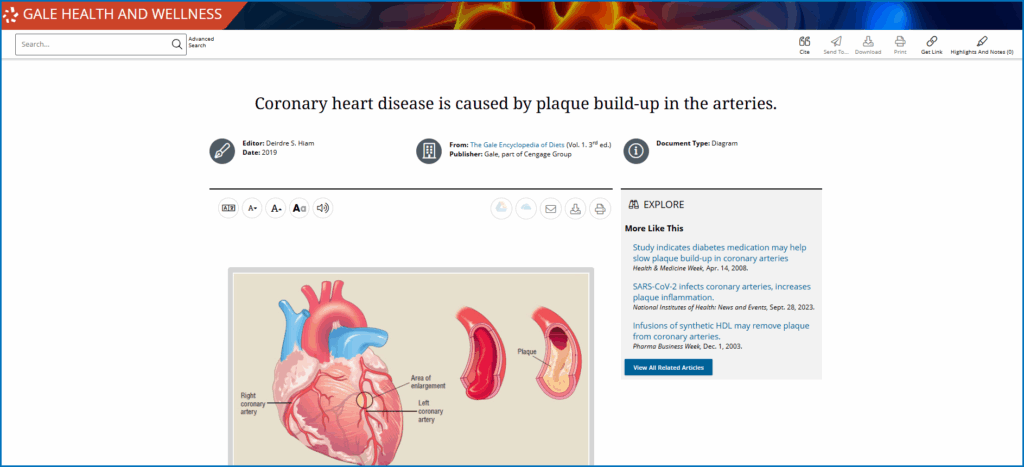
In the majority of cases, however, heart disease refers to coronary artery disease, a condition that impacts the vessels that supply blood to the heart. A buildup of fats and cholesterol, or plaque, in the vessels—a condition known as atherosclerosis—can block those vessels. Over time, the lack of blood flow to the heart can lead to a heart attack as the heart tissue begins to die.
Heart Disease Symptoms
Understanding heart disease symptoms can help individuals seek appropriate care and minimize long-term effects. Although they may vary by condition, common symptoms include the following:
- Pain, numbness, or weakness in the extremities
- Chest pain or discomfort (angina)
- Pounding or racing heart
- Dizziness and fainting
- Shortness of breath
- Lightheadedness
While these symptoms may be associated with other conditions, experiencing several of them at once or having long-lasting symptoms calls for a visit with a healthcare provider for diagnosis and treatment.
Heart Disease Risk Factors
Heart disease affects millions of Americans, regardless of background. One in 20 adults aged 20 or older lives with coronary artery disease. However, some individuals may be more at risk. Lifestyle risk factors for heart disease include:
- High blood pressure
- High LDL cholesterol
- Uncontrolled diabetes
- Substance use disorders
- Being overweight or obese
- Excessive alcohol use
- An unhealthy diet
- Inactivity
- Smoking
Additionally, the following demographics may be at increased risk:
- Men, who have higher rates of heart disease compared to women
- Those with a family history of heart disease
- African Americans and Mexican Americans
- Older individuals (risk increases with age)
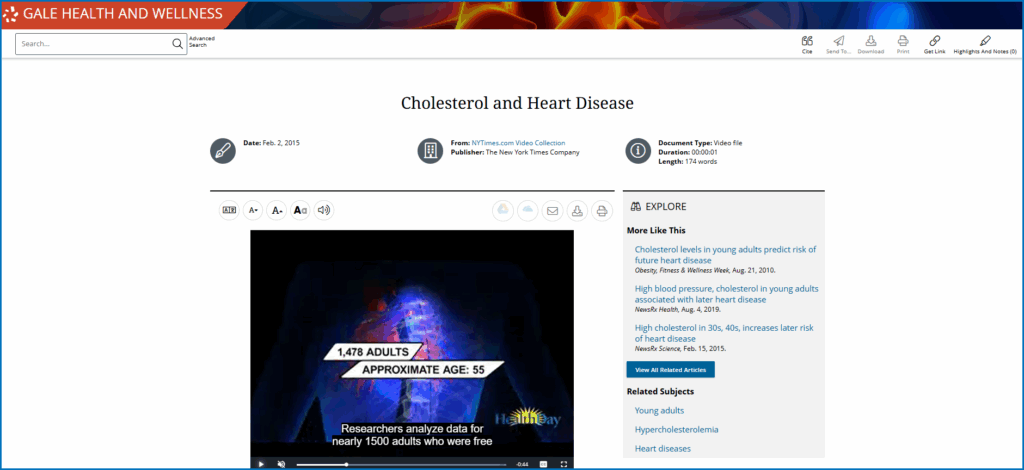
Resources from Gale Health and Wellness, including text, audio, and video options, allow community members to learn about potential risks and—explore ways to promote a healthier lifestyle.
Healthy Habits to Reduce Risk
Lifestyle changes are the most effective way to reduce the risk of heart disease. Here are some important steps toward better heart health:
- Aim for healthy cholesterol levels, with a total cholesterol of less than 200 mg, “good” (HDL) cholesterol of 60 mg or more, and “bad” (LDL) cholesterol of less than 100 mg
- Eat a heart-healthy, well-rounded diet low in cholesterol, saturated and trans fats, and added sugars
- Work toward lower blood pressure (here’s a tip on how meditation can help)
- Stay active, with at least 30 minutes of physical activity a day
- Quit smoking and avoid exposure to secondhand smoke
- If you’re diabetic, make sure to actively manage it
- Maintain a healthy weight
- Limit alcohol use
- Manage stress
Common Misconceptions About Heart Disease
Despite certain demographics being at a greater risk of heart disease, the condition is widespread, regardless of age, activity levels, or overall health status. Debunking common misconceptions about heart disease underscores the importance of understanding the facts and knowing effective strategies toward healthier living.
First, heart disease isn’t exclusively associated with old age. Younger and middle-aged adults may face heart disease, especially if it runs in their family or they have other risk factors. Many people also overlook the connection between heart disease and other conditions, such as type 2 diabetes and high blood pressure.
Additionally, many people associate heart attacks strictly with chest pain without recognizing that other symptoms exist. Other warning signs of a heart attack include discomfort in the upper body beyond the chest, shortness of breath, nausea, lightheadedness, or a sudden cold sweat. Identifying these signs and seeking medical treatment immediately saves lives.
Community Engagement Ideas
American Heart Month is the perfect opportunity to implement heart-focused programming at your library. Equipping your patrons with information and actionable steps to reduce their risk can have a powerful impact on both the individual and community level.
Consider these ideas for American Heart Month programming:
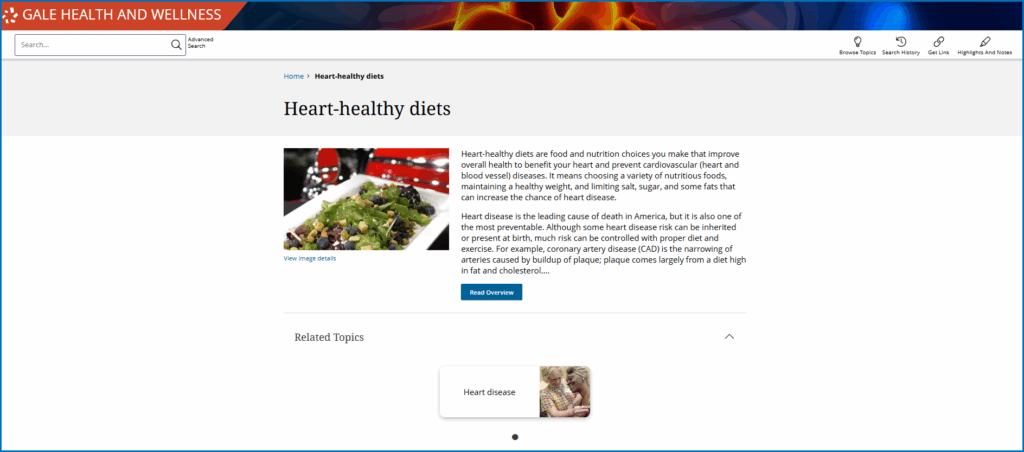
- Host a cooking class: Bring in a local chef or nutritionist who can offer heart-healthy meals and snacks that are easy for anyone to prepare, no matter their skill level.
- Offer blood pressure monitoring devices: Through the American Heart Association’s “Libraries With Heart” program, some Wisconsin libraries check out devices to patrons, allowing them to monitor their blood pressure at home. This program aims to remove barriers to care and reduce health disparities, enabling all community members to monitor their blood pressure easily.
- Organize a fitness challenge: Encourage physical activity by hosting an exercise class at your library, or plan one where patrons track their activity throughout the month to help instill healthy habits.
- Hold a stress-management workshop. Review standard stress-management techniques, such as setting work-life boundaries and managing time effectively. Then practice deep breathing and guided meditation to help minimize stress.
Share Heart-Healthy Resources at Your Library
American Heart Month is an ideal time to incorporate heart-healthy programming and resources into your library. Through Gale Health and Wellness, features like text-to-speech, translation tools, and adjustable font size make our suite of reliable, medically-vetted content accessible to your entire community.
If your library isn’t a subscriber to Gale Health and Wellness, contact your local representative today.