
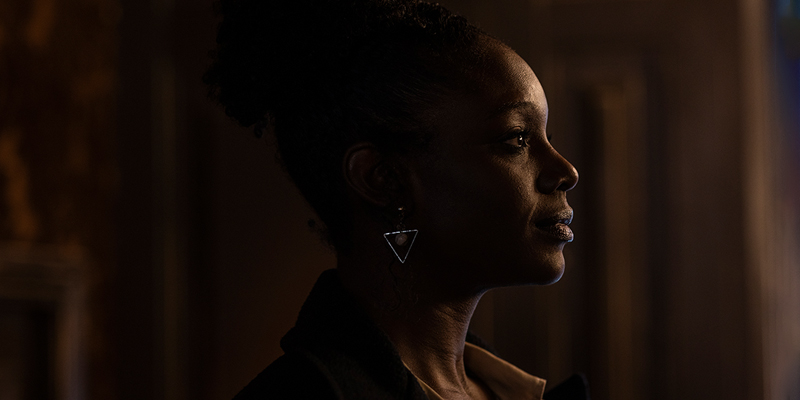
Madam C.J. Walker once said, “I got my start by giving myself a start.” As America’s first African American woman millionaire, Walker had a keen eye for opportunity and a heart for helping other women succeed and achieve greater professional mobility.
Born in 1867 to formerly enslaved sharecroppers two days before Christmas in Delta, Louisiana, Walker (born Sarah Breedlove) was orphaned at a young age. Her journey wouldn’t be easy and her success took years to accomplish—yet she pursued it with a stubborn resilience.
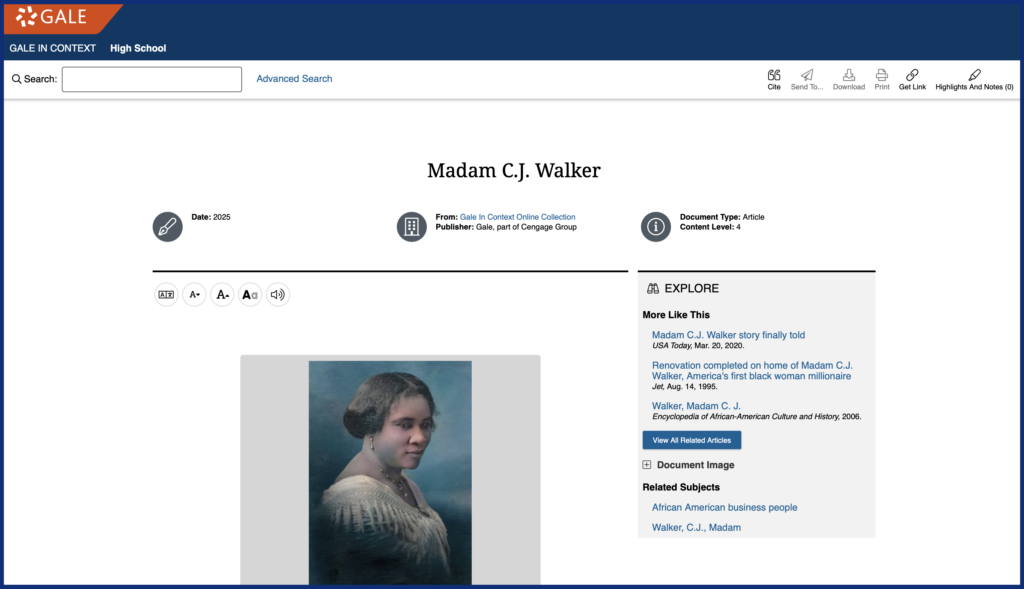
Gale In Context: High School provides extensive information on Walker’s life, including the growth of her business empire, as well as her political activism, and philanthropy, and legacy.
But first, let’s turn the pages back to the start.
Uncover Early Hardships and Beginnings of a Business Vision
After being orphaned at the age of seven, Walker lived with her sister and her abusive husband in Vicksburg, Mississippi—just across the river from where she was born. Walker married her first husband, Moses McWilliams, when she was just 14 years old to escape the abuse she suffered.
By 20, however, Walker was a widow with a two-year-old daughter, Lelia, to raise on her own. She moved north to St. Louis and spent the next 18 years working as a cook and laundress.
Walker struggled with alopecia (persistent hair loss) from a young age. This condition was common among African American women at the time due to stress, poor nutrition, and damaging hair treatments. While living in St. Louis, Walker relied on her brothers, who were barbers, for advice.
However, Walker’s hair health and professional life took a significant turn when she began working for Annie Minerva Turnbo Malone, an entrepreneur who developed products for black hair. Walker studied Malone’s product distribution system and business model, which proved transformative to her own commercial aspirations.
Walker began experimenting with her own products, discovering the “miracle” ingredient, sulfur, which alleviated scalp itch and pain and promoted hair growth. Walker continued to use her kitchen as a beauty salon to refine her product line and help other African American women care for their hair.
Follow Walker’s Path to Prosperity
Walker moved to Denver in 1905, where she developed and distributed her own hair care formulas. She married newspaper sales agent Charles Joseph Walker, who helped her launch her advertising campaigns and mail-order operations. Even after divorcing in 1910, she continued to use the name Madam C.J. Walker to market her hair growers, tonics, straighteners, hot combs, fragrances, toiletries, and other products.
Between 1906 and 1916, Walker grew her hair care business and traveled throughout the U.S., Central America, and the Caribbean to promote it. In 1908, she established the Lelia College of Hair Culture in Pittsburgh with her daughter. She also purchased properties in Chicago, Harlem, Pittsburgh, and St. Louis, and opened several locations where women learned Walker’s techniques for hair straightening and hair growth.
Walker settled in Indianapolis in 1910, where she established the Madam C.J. Walker Manufacturing Company. Her sales, which exceeded $500,000 annually, and her real estate investments enabled her to become America’s first African American woman millionaire.
Advancing Economic Independence for African American Women
Walker’s business model provided financial opportunities that were out of reach for most African Americans at the time. She employed thousands as sales agents and factory workers.
A significant source of Walker’s employee empowerment was her product distribution system. She organized Walker Clubs, composed of African American women who served as independent agents, selling products door-to-door.
Walker’s business model was unique at the time. Her sales force, called Walker Agents, worked on a commission basis that incentivized them to move as much product as possible to maximize their earnings. Agents built their own client bases, receiving professional training to advance their careers.
Walker’s Impact as a Philanthropic Leader and Political Activist
Walker strove to improve the lives of others in her community—and around the world. In 1911, she gave $1,000 toward the construction of a YMCA in Indianapolis. She supported Booker T. Washington’s Tuskegee Institute, helping fund its vocational programs and providing training opportunities for more students. She also supported a girls’ school in West Africa and made the largest single donation among all contributions toward paying off the mortgage on the home of the late Frederick Douglass
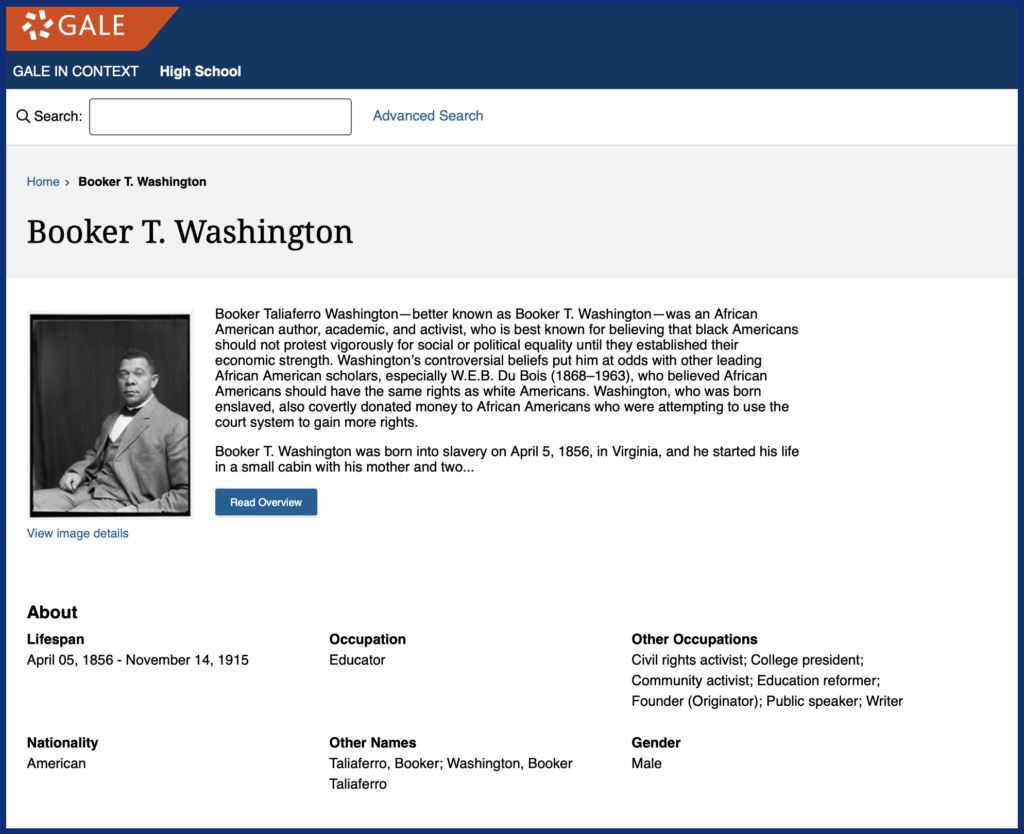
In 1917, Walker joined the committee of the Negro Silent Protest Parade. That same year, she also traveled to Washington, D.C., to petition President Woodrow Wilson to classify lynching as a federal crime.
Celebrate Madam Walker’s Enduring Legacy
Since her death, Walker has been the recipient of numerous honors, accolades, and tributes.
In 1993, the National Women’s Hall of Fame inducted Walker to their ranks. In 1998, the United States Postal Service featured her on a stamp. And Mattel immortalized Walker in plastic, releasing a Barbie doll in her likeness in 2022.
The 2020 series Self Made on Netflix dramatizes Walker’s inspiring story. The show stars Octavia Spencer, who earned her first Emmy nomination for her role as Walker.
Partner with Gale to Connect Students with Walker’s Life and Influence
To learn more about Walker’s life, turn to Gale In Context: High School. You can even check out the play Lady Millionaire for another angle to understand Walker’s story.
If you want to keep exploring, direct your students to the related topics tab. There, you will find other trailblazers like Barbara Gardner Proctor, an African American entrepreneur who founded her own ad agency, paving the way for more positive representation. Or your students might also take a deeper dive into black hair culture and its implications for identity, aesthetics, and resistance.
For more information or to ask about subscription plans, contact your local Gale representative today. You can also request trial access to see for yourself what Gale has to offer.