
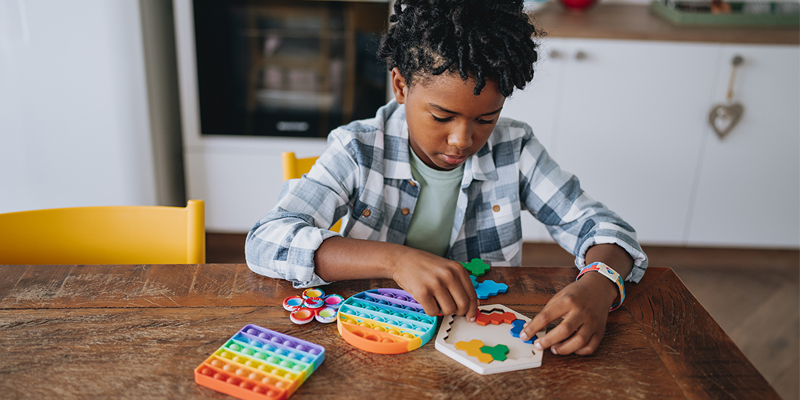
Autism, or autism spectrum disorder (ASD), encompasses a broad range of neurological and developmental differences that influence how individuals communicate, learn, process sensory input, and navigate social environments.
A clear understanding of autism can help build more inclusive spaces, support better learning and wellness outcomes, and help neurodivergent patrons and families feel welcomed and supported.
We’re here to help. Gale Health and Wellness is a tool that provides reliable, current information on medical topics, including a wide array of content on autism. By bringing together reference materials, trustworthy reporting, firsthand accounts, and academic research through a variety of different media, we can help your community members understand autism in a way that prioritizes the facts over speculation.
What Is Autism Spectrum Disorder?
Autism is a lifelong condition that influences communication behaviors, social interaction, sensory processing, learning styles, and self-regulation. The spectrum model reflects the vast diversity within autistic experiences. No two individuals will present the same combination of strengths, challenges, or support needs.
Autistic people may:
- Communicate in ways that differ from neurotypical expectations
- Experience sensory input more or less intensely than others
- Rely on routines to feel grounded and secure
- Pursue deep, focused interests
- Use self-stimulation (stimming) behaviors (repetitive actions or sounds) to calm the nervous system
A spectrum approach also recognizes that autism is not an illness that needs “curing,” but a natural variation in how human brains process and interpret the world.
While autism is now diagnosed as a single spectrum condition (i.e., autism spectrum disorder, or ASD), former diagnostic categories are still commonly circulated. Some of these include:
- Asperger syndrome
- Pervasive developmental disorder—not otherwise specified (PDD-NOS)
- Childhood disintegrative disorder
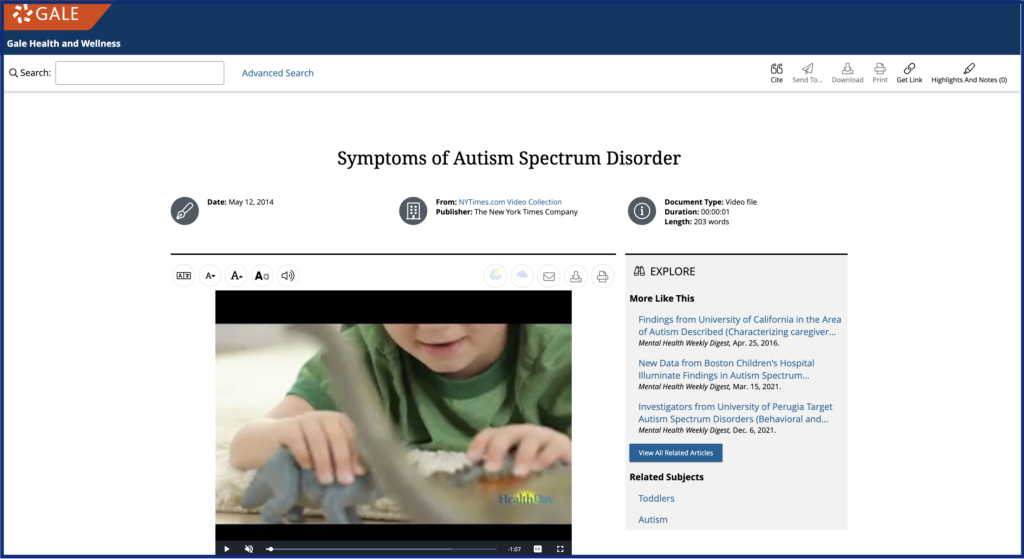
Life with an Autism Diagnosis
An autism diagnosis can be a game-changer for those who have long struggled with feelings of being disconnected from the world around them. This can open the door to greater understanding and tailored support, leading to more meaningful opportunities, authentic connections, and, ultimately, a more fulfilling life.
Early access to services can support skill development for people with autism. Self-advocacy tools, workplace accommodations, and community support networks can be key to helping people with autism live fulfilling lives.
As public awareness of autism grows, more schools, employers, and organizations are adopting neurodiversity-affirming practices. With informed environments, strong support systems, and inclusive communities, autistic individuals can thrive academically, socially, and professionally in ways that honor their unique perspectives.
Understand Autism from Multiple Angles with Diverse Media Content
Searching the internet for autism and other sensitive topics can lead to unvetted materials that reflect individual opinions and anecdotal perspectives rather than scientifically-backed research. You can trust Gale Health and Wellness to offer the facts, including information on diagnostic guidelines, policy updates, and new technology that can support the needs of people with autism.
Gale Health and Wellness provides trusted, up-to-date access to:
- Research on autism in adults
- Investigations into potential genetic and environmental factors
- Peer-reviewed research on early signs, diagnosis, and intervention
- Studies on sensory processing, communication, and learning differences
- Firsthand perspectives that uplift and amplify neurodiverse and autistic voices
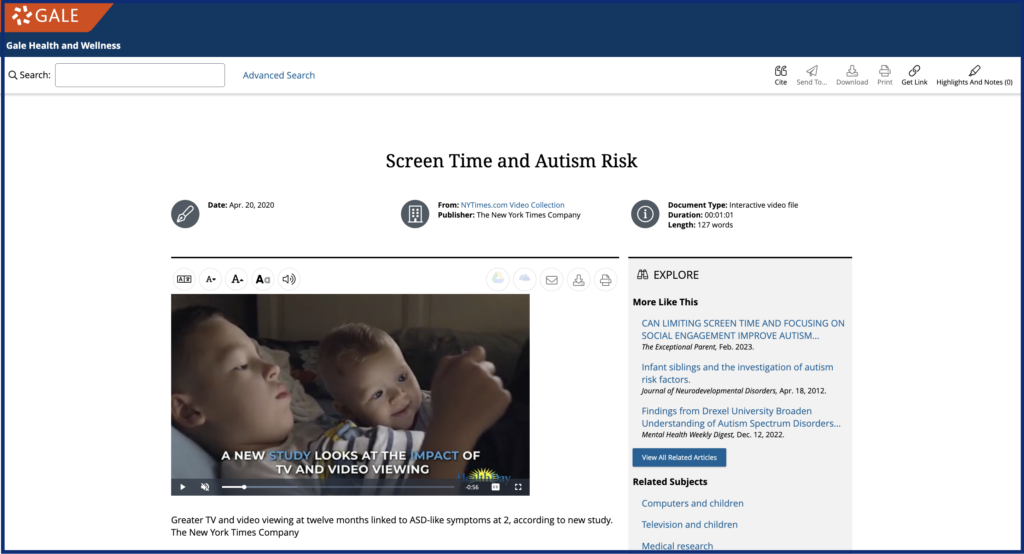
Your patrons can also access academic journals and scientific research through Gale Health and Wellness, providing information on brain development, how autism may present differently across genders and ages, interventions, and more. Videos and audio content help patrons engage with information in multiple formats that meet their unique needs.
Create a Supportive Environment in Your Library
While individual experiences of autism, including characteristics and symptoms, can vary widely from person to person, understanding some of the common experiences associated with ASD can help librarians create more supportive environments.
Communication Differences
Autistic individuals might:
- Prefer direct, literal language
- Find small talk tiring or confusing
- Need extra time to process information
- Communicate through gestures, devices, or written language
Sensory Variability
Different libraries offer different levels of sensory stimulation, and librarians need to be aware of the potential needs of autistic patrons. For some autistic patrons, libraries may feel overstimulating. Bright lights, unexpected noises, and crowded programs can all make it harder for autistic people to enjoy a library setting.
Many autistic people experience:
- Noise sensitivity
- Sensitivity to textures or smells
- Discomfort with bright or flickering lights
- A need for movement or sensory input (fidget toys and other stimming materials may be helpful for some)
Practical Ways Libraries Can Support Autistic Patrons
Autistic people often develop deep knowledge in specific subjects. Libraries, rich in information and exploration, are ideal places to nurture these interests.
There are many ways that you, as a librarian, can help support autistic people in your community. Here are a few ideas to get you started:
- Build Predictability: Clear signage, consistent routines, and visual schedules can help to reduce uncertainty.
- Offer Sensory-Friendly Options: Quiet hours, low-stimulation spaces, and sensory kits create welcoming environments.
- Provide Flexible Communication: Patrons may prefer written communication, visual supports, or extra time to respond.
- Normalize Stimming: Provide opportunities for movement or self-stimulating (stimming) behaviors to help patrons feel safe.
- Curate Inclusive Collections: Autistic authors, neurodiversity-affirming children’s books, and up-to-date caregiver resources reflect community diversity and help to create a welcoming environment for all. April is Autism Awareness Month—it’s the perfect time to raise autism awareness in your community and share new accommodations with neurodivergent patrons.
How You Can Help Neurodivergent Patrons Thrive
Knowledge is power, and with Gale Health and Wellness, you’ll give your library patrons access to the information they need about neurodivergence, autism, and more. Reach out to your Gale sales representative today to learn more.