
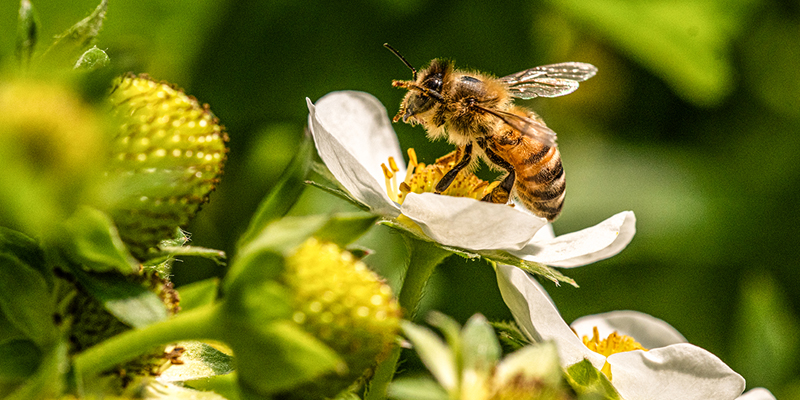
From hoverflies and honeybees, to beetles and butterflies, some of the tiniest pollinators are the most prolific. Pollinators play a key role in helping plants thrive, and supporting the larger ecosystems to which they belong.
By learning how pollination works, the crucial role that pollinators play, the challenges they face—and how to support them through thoughtful gardening—students can see how small actions make a big difference.
Bring the pollination process to life with Gale In Context: Elementary. Working together, we can spark curiosity, support inquiry, and connect science lessons to the real world.
What is pollination, and why does it matter?
Understanding pollination is vital to help kids understand the natural world around them. Here are the basics. Be sure to check out the linked material from Gale In Context: Elementary to go more in depth.
When pollen moves from the male part of a flower (stamen) to the female part of the same or another flower (pistil), fertilization can occur. This allows the plant to produce fruits, vegetables, and seeds. Without pollination, many of the foods we love, like apples, strawberries, pumpkins, and almonds, would be far less abundant—or might not exist at all.
Some of the most familiar pollinators include bats, bees, beetles, birds, butterflies, and moths. A pollinator is any insect or animal that helps pollen move from flower to flower. (If you catch a bit of pollen on your clothes as you move through a garden or a field, you could be a pollinator, too!)
Bees, in particular, are excellent pollinators. Their fuzzy bodies are perfect for picking up pollen, with many species able to visit hundreds of flowers in a single day. Gale In Context: Elementary helps students understand why they are so effective at their job, with help from informative illustrations, colorful images, and engaging videos. These visual tools make abstract scientific ideas concrete and accessible for young learners.
When students begin to see pollination as a partnership between plants and animals, they also start to understand a bigger idea: nature is made up of systems that depend on balance and cooperation. That understanding builds a strong foundation for environmental literacy and stewardship.

Challenges facing pollinators—and how people are helping
In recent years, scientists and educators have become increasingly concerned about declining pollinator populations. Habitat loss, pesticide use, pollution, and the spread of disease have all made it harder for pollinators to survive.
For example, when lawns replace native plants, pollinators lose important food sources. When flowers bloom earlier or later due to unpredictable weather patterns, pollinators may struggle to find nectar at the right time. While it may feel like these circumstances are out of our control, they also create opportunities for learning—and action.
People everywhere are finding creative ways to help. One popular initiative is No Mow May, which encourages people to leave lawns un-mowed during the month of May so early-blooming flowers can support hungry pollinators. Some communities are planting native wildflowers, reducing pesticide use, or creating pollinator habitats in unexpected places—including schoolyards.
For elementary students, these efforts provide real-world examples of problem-solving and teamwork. Using Gale’s leveled articles and videos, educators can help students explore questions like: How can people work together to protect pollinators? These discussions empower students by showing that positive change is possible, even through small steps.
Creating a pollinator-friendly garden at school or at home
Pollinator gardens are an engaging way to bring this topic to life. They don’t need to be large or complicated—even a few containers or a small garden bed can be effective.
For schools, pollinator gardens offer a natural extension of science learning and connect to subjects like math (measuring growth), language arts (journaling observations), and social studies (community involvement).
Here are some ideas to help you get started:
Choose Pollinator-Friendly Plants
Native plants are especially helpful because local pollinators are already adapted to them. Flowers with bright colors featuring a variety of shapes and heights attract different pollinators. Blooming plants from early spring through fall ensure food is available throughout the year.
Bring Students Into the Process
Involving students in planning and observation builds ownership and excitement. Students can help pick out, plant, and care for your pollinator garden; come up with a name for the garden and design signs; and track which pollinators visit over time.
Learn from the Success of Other Schools
Across the country, schools have launched pollinator gardens with support from local garden clubs, nature centers, and parent volunteers. Some have found success by starting small, with raised beds or container gardens (especially when space is limited). Clear maintenance plans are crucial to long-term success—especially over summer break.
Different gardening and environmental organizations can offer detailed step-by-step instructions and visual guides to help you get started.
Pollinator safety: Learning with care and respect
It’s important to talk about safety, especially when working around bees. Pollinators are generally not aggressive and sting only when they feel threatened. Teaching students a few simple guidelines helps everyone feel confident and calm:
- Observe pollinators from a respectful distance
- Avoid sudden movement near flowers
- Never try to touch or catch insects
- Tell an adult if a bee is inside a building
These practices reinforce respect for wildlife while helping students feel secure during outdoor learning experiences.
Small actions, lasting impact
Pollinators remind us that even the smallest creatures can play a big role in our world. By learning how pollination works, understanding the challenges pollinators face, and taking steps to support them, we help students connect knowledge with action. As interest in pollinator-friendly gardens continues to grow, educators have a powerful opportunity to bring this topic into classrooms, schoolyards, and hands-on learning experiences.
With engaging multimedia and accessible articles, Gale In Context: Elementary supports educators as they guide students through these discoveries. Together, we can cultivate curiosity, care for nature, and help pollinators—and the ecosystems they support—thrive.
If you’re not a current Gale In Context: Elementary subscriber, reach out to your Gale representative today to learn more and get started.